
- Pre-LoadingPreparations (Key Checklist)
Understand cargo information: dimensions (length × width × height), net weight, center of gravity, cargo characteristics (fragile, slippery, detachable, etc.).
Verify vehicle parameters: flatbed length/width, rated load capacity, axle load distribution, saddle position (if towing a semi-trailer), location and number of securing points.
Check securing equipment: ratchets, chains/ropes, webbing, corner guards, corner protectors, chocks, and lashing compliance certifications (e.g., WLL/working load limit markings).
Check safety devices: reflective markings, warning lights, tailgate lock, fastener condition, braking system, tire pressure, and axle load estimation.
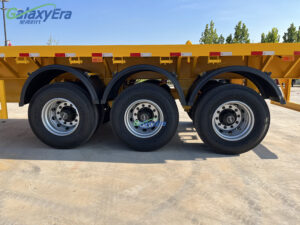
- Safe Loading Principles (General)
Low and Central Center of Gravity: Lower and position heavy loads as close as possible to the axle or frame center to improve stability and braking performance.
Axle Load Compliance: Balance the loads on the front and rear axles and drive axles, complying with the single/dual axle weight limits stipulated by the local transportation authority.
Rack and Redundancy Principle: Use at least two securing systems (primary and backup), and employ anti-breakage devices for critical cargo.
Separation and Spacing: Leave sufficient space between large items to avoid collisions or compression; use spacers or support beams when necessary.
- Loading Sequence and Method (Detailed Steps)
Pre-positioning: Park the vehicle on a level, hardened surface, engage the parking brake, and use wheel chocks.
Vehicle Condition Inspection: Recheck the integrity of the securing points, side rails (if applicable), bridge positions, and platform.
Heaviest Load Placement First:Place the heaviest load closest to the cab or trailer axle (depending on vehicle type), centered longitudinally to ensure lateral weight balance.
Secondary Load Layering:Distribute loads with the next highest center of gravity around the heaviest loads. Lighter loads can be stacked on top or at the ends.
Securing and Anti-slip:Place anti-slip mats or wooden pads on the contact surface between each load and the trailer platform. Use flat straps/chains to tighten the straps and protect them from cuts using corner guards.
Multi-point Securing:For long loads (such as pipes or steel beams), use multiple securing points to the cab, rear, and sides to prevent longitudinal movement and tilting.
Multi-point Securing: Use of stops and supports: For cylindrical or highly rolling goods, install stops on both sides and secure them with wedges.
Check and tighten: After the initial tightening of all fasteners, conduct a second tightening check to ensure that the chain/belt is free of slack, wear, or kinks.
Covering and marking: If the goods may fall or are affected by weather, cover them with waterproof tarpaulins and secure them with safety ropes; for oversized/overlength goods, set up warning lights and escort vehicles (if applicable).
- Weight Distribution and Compliance Calculations (Key Points)
• Calculate the gross weight and compare it with the trailer’s rated tonnage, allowing for a safety margin (usually no more than 95% of the rated weight).
• Axle load calculation: Determine the load distribution on the front axle, drive axle, and trailer axle. Adjust cargo position as necessary to meet single axle/gross weight limits.
• Special cargo (dangerous goods, oversized equipment) requires declaration and a permit in accordance with national or state transportation regulations.
Inspection and Monitoring During Operation
Single-trip Inspection: After loading, conduct a visual and securing inspection (360° surround view and manual tightening verification recommended).
Distance Check: For the first 50-100 kilometers, make a mandatory stop to recheck the securing and cargo position. For long-haul transport, check every 3-4 hours or every 200 kilometers (depending on road conditions).
Environmental Response: Reduce speed, increase spacing, and re-secure cargo if necessary in case of sudden winds, rain, snow, or mountain roads.
- Common Mistakes and Prevention Methods
High/Offset Center of Gravity: Avoid placing heavy objects at high positions or on one side; reconfigure if necessary.
Insufficient or Single-Point Securement: Always use multi-point and redundant securing.
Use of Damaged or Unmarked Equipment: Regularly replace worn chains and damaged belts, and follow equipment inspection cycles.
Ignoring Regulations: Oversized or dangerous goods transport requires advance application for permits and cooperation with escort requirements.
- Examples of Special Cargo Loading
Long steel strips/pipes: Use a central support beam, with separate securing at the front and rear ends, and employ multiple lateral fixation points with added blocks.
Machinery and equipment (heavy and point-loaded): Use support beams to distribute pressure, secure the main structure and base, and protect the operating surface and sensitive parts.
Precast concrete components: Place anti-vibration pads, use support piers, and secure with cross straps, taking care to prevent stress concentration and cracking.
- Regulations and Compliance Records
Retain loading slips, axle load calculation sheets, fastening equipment certificates of conformity, and inspection records for auditing and accountability purposes.
Refer to and comply with local transport regulations and road safety regulations (such as overloading regulations, dangerous goods transport regulations, and fastening standards).
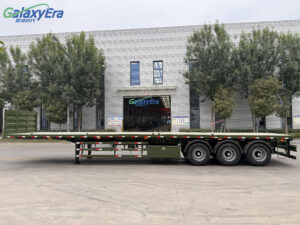
Conclusions and Recommendations
Proper flatbed trailer loading is both a technical skill and a responsibility. Following the process of “plan first, load second, check third, and monitor all the way” can significantly reduce risks. It is recommended that fleets establish Standard Operating Procedures (SOPs), regularly train drivers and loading personnel, and maintain and record the maintenance of securing equipment. For special or high-risk cargo, consult engineers or professional escort companies to ensure compliance and safety.
Author’s Note
I was written by an author with many years of practical experience in heavy-duty transportation and freight safety training. Combining industry standards and operational points, it aims to provide actionable methods and checklists for easy on-site application and management improvement.
If needed: Loading checklist templates, axle load calculation examples (Excel spreadsheets), or loading plans for specific cargo, I can customize them based on your vehicle and cargo parameters.